Money
Compound interest for teens
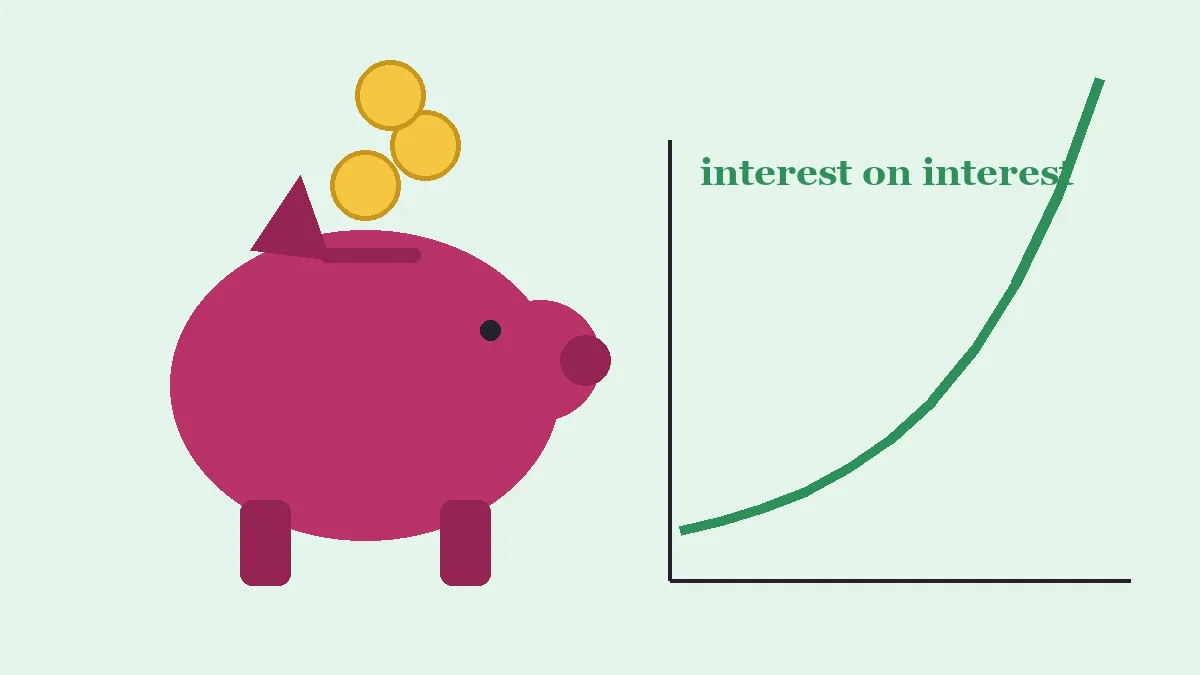
Albert Einstein probably never called compound interest "the eighth wonder of the world", but the quote sticks around because the idea really is that powerful. And the person who benefits most is the one who starts youngest.
Simple versus compound
Put $1,000 in an account paying 5% a year. With simple interest you earn $50 every year, so after 10 years you have $1,500. With compound interest, each year's interest joins the balance and earns interest itself: $1,050, then $1,102.50, then $1,157.63, and after 10 years about $1,629 (or $1,647 if interest is added monthly).
The rule of 72
Divide 72 by the interest rate to estimate how many years it takes to double your money. At 6%, about 12 years. At 9%, about 8. It is a quick way to compare options without a calculator.
Starting early beats saving more
Imagine two friends earning 6% a year:
- Maya saves $100 a month from age 16 to 26, then stops. She puts in $12,000.
- Leo starts at 26 and saves $100 a month until 60. He puts in $40,800.
At 60, Maya's money has had decades longer to compound, and the two end up with similar totals even though Leo deposited more than three times as much. Time does the heavy lifting.
It works against you too
Credit cards and loans compound in the same way, but in the lender's favour. A $500 balance at 24% a year that you never pay down grows to about $635 after just one year. Paying off high-interest debt is like earning that interest rate risk-free.
Three habits that help
- Pay yourself first: move a fixed amount into savings as soon as you get money, before spending.
- Automate it: regular small deposits beat occasional big ones you might forget.
- Leave it alone: withdrawing early resets the snowball.
Try your own numbers in the calculator and watch the "interest earned" column grow faster each year. That curve is the whole idea.
More explainers
 DatesCalendar maths: counting days, weeks and agesWhy counting days between dates trips people up, the "fencepost" problem, how leap years work, and quick methods for ages and countdowns.
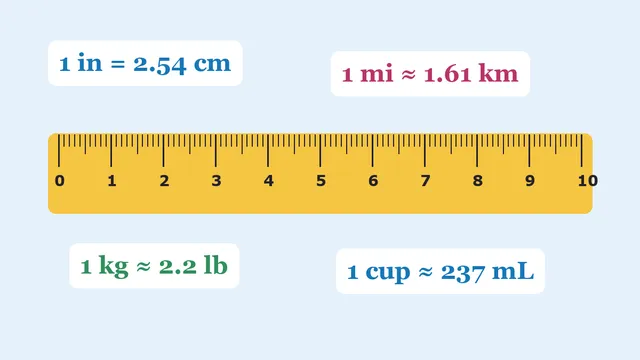 ConvertersUnit conversion without mistakesLearn the "multiply by one" method for unit conversions, the metric prefixes, key US-metric links and how to convert squared and cubed units correctly.
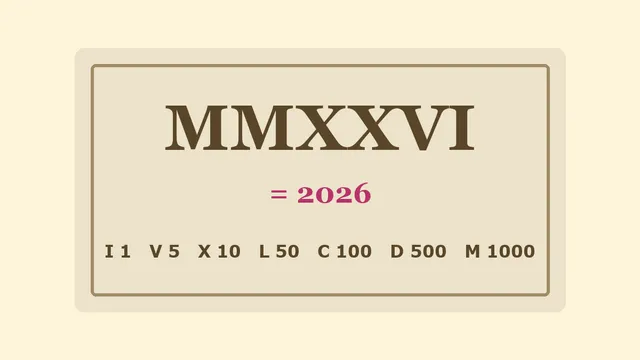 ConvertersRoman numerals explainedHow Roman numerals work: the seven symbols, adding and subtracting, the six subtraction pairs, reading years like MCMXCIX and where Roman numerals still appear today.